

“Solid wood” is one of the most commonly used — and misunderstood — terms in furniture shopping. Many shoppers know they want furniture that lasts, but they aren’t always sure how to tell the difference between true craftsmanship and look-alike alternatives made from particleboard or engineered materials.
At Gladhill Furniture, solid wood craftsmanship and American-made stories are more than buzzwords — they’re a promise of quality, longevity, and transparency. Here’s how to quickly evaluate solid wood furniture in about 60 seconds, so you can shop with confidence instead of comparing prices alone.
What “Solid Wood” Really Means
True solid wood furniture is constructed primarily from natural hardwoods or softwoods — not particleboard, MDF, or paper-wrapped composites. While some high-quality furniture may use veneers responsibly for stability, solid wood construction means the structure, frame, and functional components are built to endure.
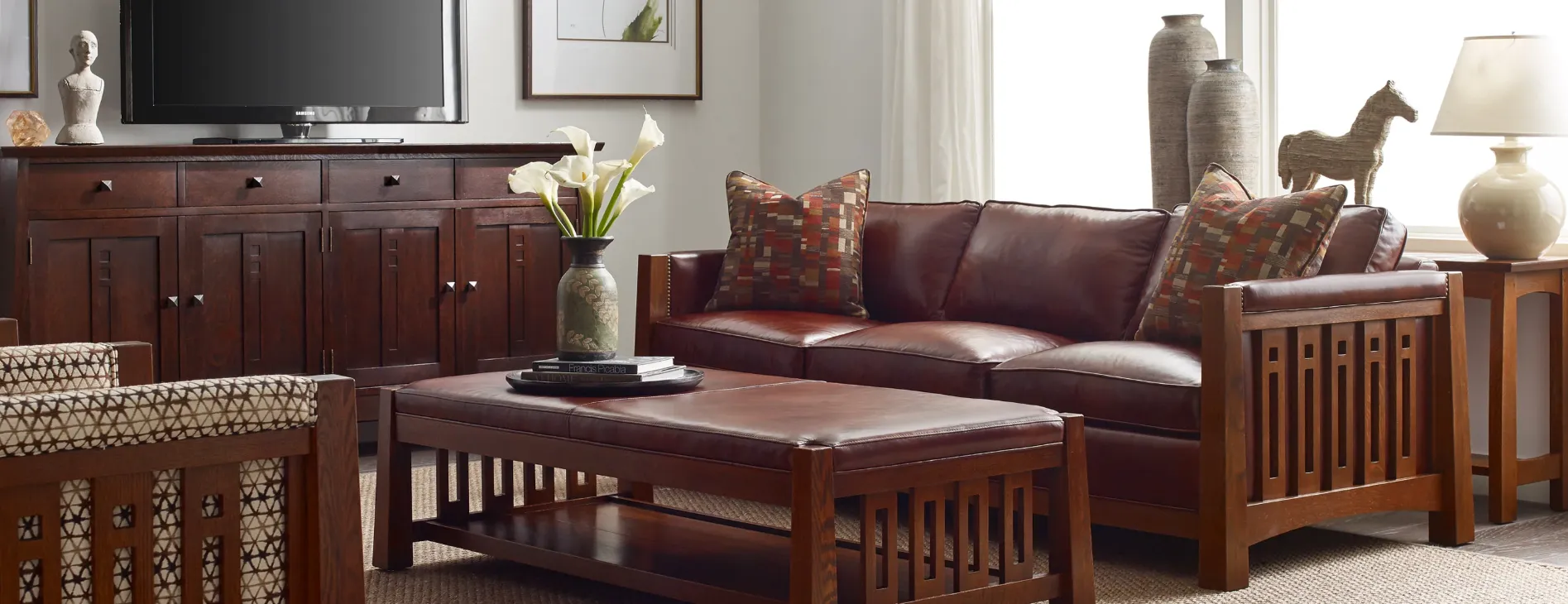
That’s why Gladhill highlights brands like Stickley, Archbold, Canadel, Gat Creek, and many more. These makers focus on craftsmanship, honest materials, and furniture designed to be repaired, refinished, and enjoyed for generations — not replaced every few years.
The 60-Second Solid Wood Test
You don’t need to be a furniture expert to recognize quality. This quick, step-by-step test helps you spot real solid wood construction — fast.
1. Look Under, Not Just At
Open a drawer. Look underneath a table or chair.
Solid wood furniture typically shows:
-Consistent, natural wood grain
-Real wood panels rather than thin laminates
-Smoothly finished or sanded interior surfaces
If the underside looks flaky, compressed, or stapled together from crumbly material, it’s likely particleboard or MDF.
2. Check the Joinery
How a piece is held together is a major indicator of quality.
Well-crafted solid wood furniture often uses:
-Dovetail joints in drawers
-Mortise-and-tenon or reinforced corner joinery
-Minimal reliance on visible staples or brackets
These construction methods add strength and longevity — and are commonly found in American-made collections like Stickley and Amish-crafted furniture.
3. Pull Out a Drawer
This simple step reveals a lot.
Look for:
-Solid wood drawer sides
-Drawer bottoms set into grooves (not stapled on)
-A smooth glide with no wobble or racking
Lightweight or hollow-feeling drawers are often a sign of shortcuts in construction.
4. Follow the Grain
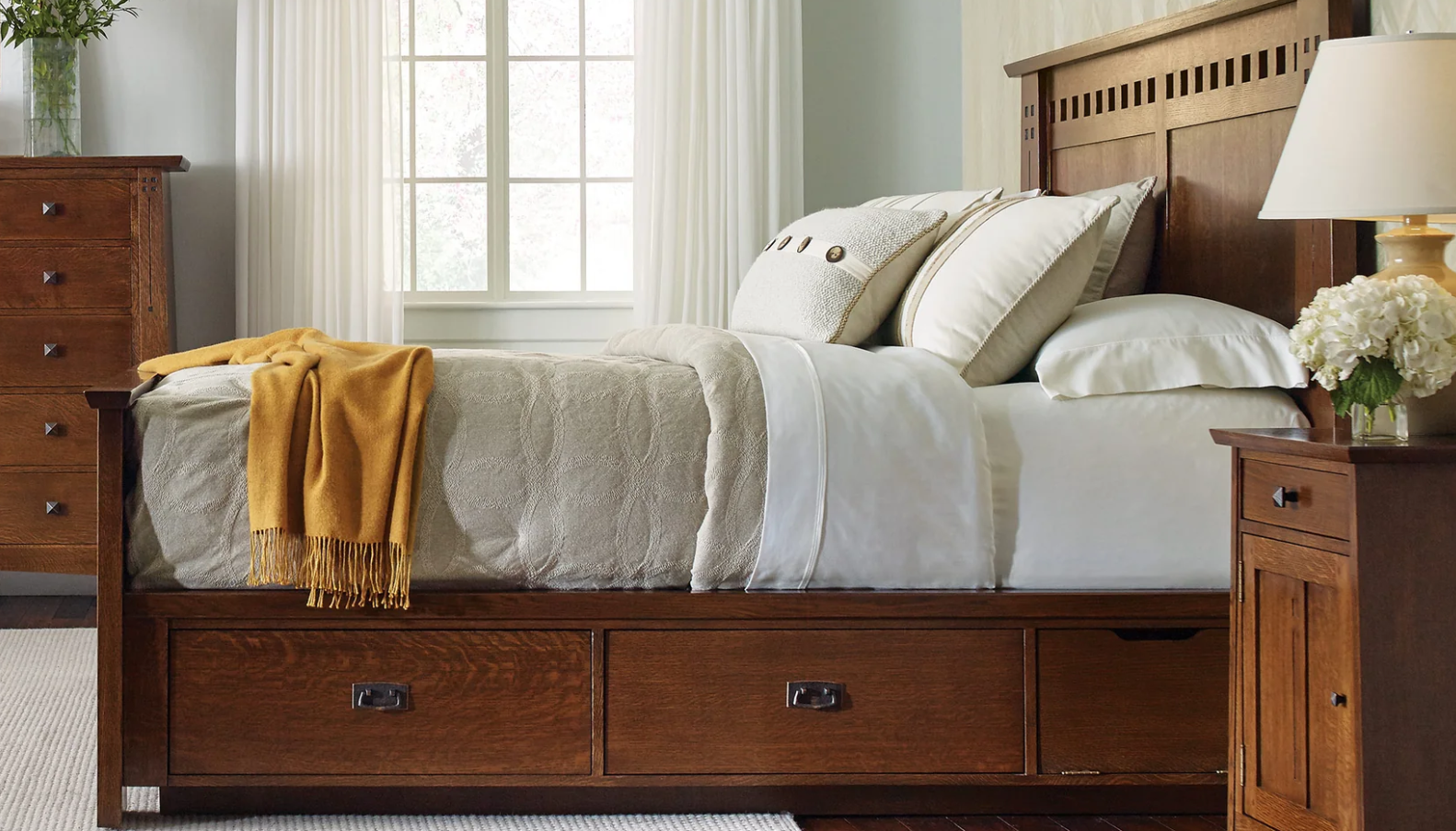
Real wood grain flows naturally and varies from board to board.
Warning signs include:
-Identical grain patterns repeating across surfaces
-Printed or overly uniform “wood” designs
-Veneers that wrap awkwardly around edges
Natural variation is a hallmark of solid wood — not a flaw.
5. Feel the Weight
While weight alone isn’t proof, solid wood furniture generally feels substantial and grounded.
If a large piece feels surprisingly light, it may rely heavily on engineered materials rather than real wood.
Finish Durability: Protecting the Wood Beneath
Even the best wood won’t last without a durable finish.
What a Quality Finish Should Do
A well-applied finish:
-Protects against spills, heat, and everyday wear
-Enhances the natural beauty of the wood grain
-Can be repaired or refreshed over time
Manufacturers like Gat Creek and Canadel use layered, furniture-grade finishes designed to stand up to real life while allowing the wood’s character to shine through.
How to Care for Solid Wood Furniture
Solid wood furniture is surprisingly forgiving when cared for properly:
-Dust regularly with a soft cloth
-Clean with mild soap and water as needed
-Avoid harsh chemicals or silicone sprays
-Use coasters and placemats to prevent heat and moisture damage
Unlike particleboard furniture, solid wood can often be refinished, touched up, or restored — extending its life for decades.
Matching Wood Tones Without Making Everything Match
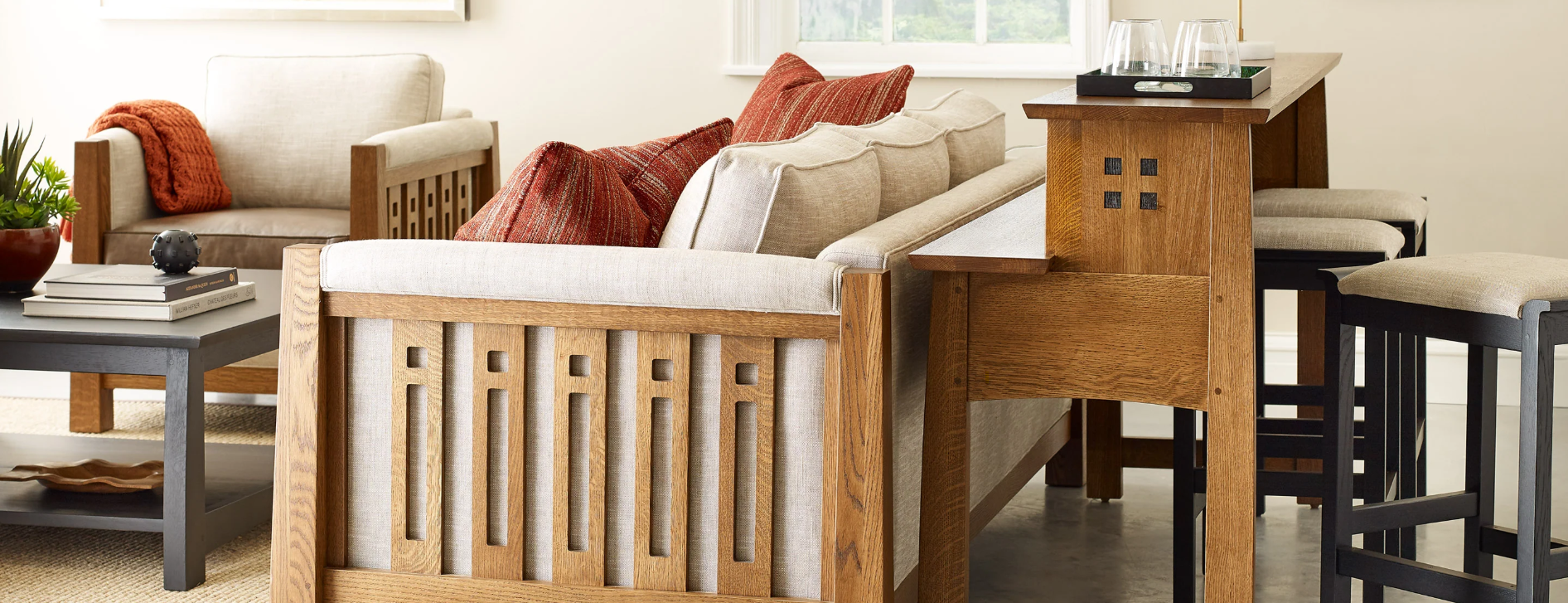
One common misconception is that solid wood furniture must match perfectly from room to room. In reality, the most inviting homes mix wood tones thoughtfully.
Tips for Mixing Wood Successfully
-Stick to similar undertones (warm with warm, cool with cool)
-Mix wood species for depth and interest
-Let one statement piece anchor the space
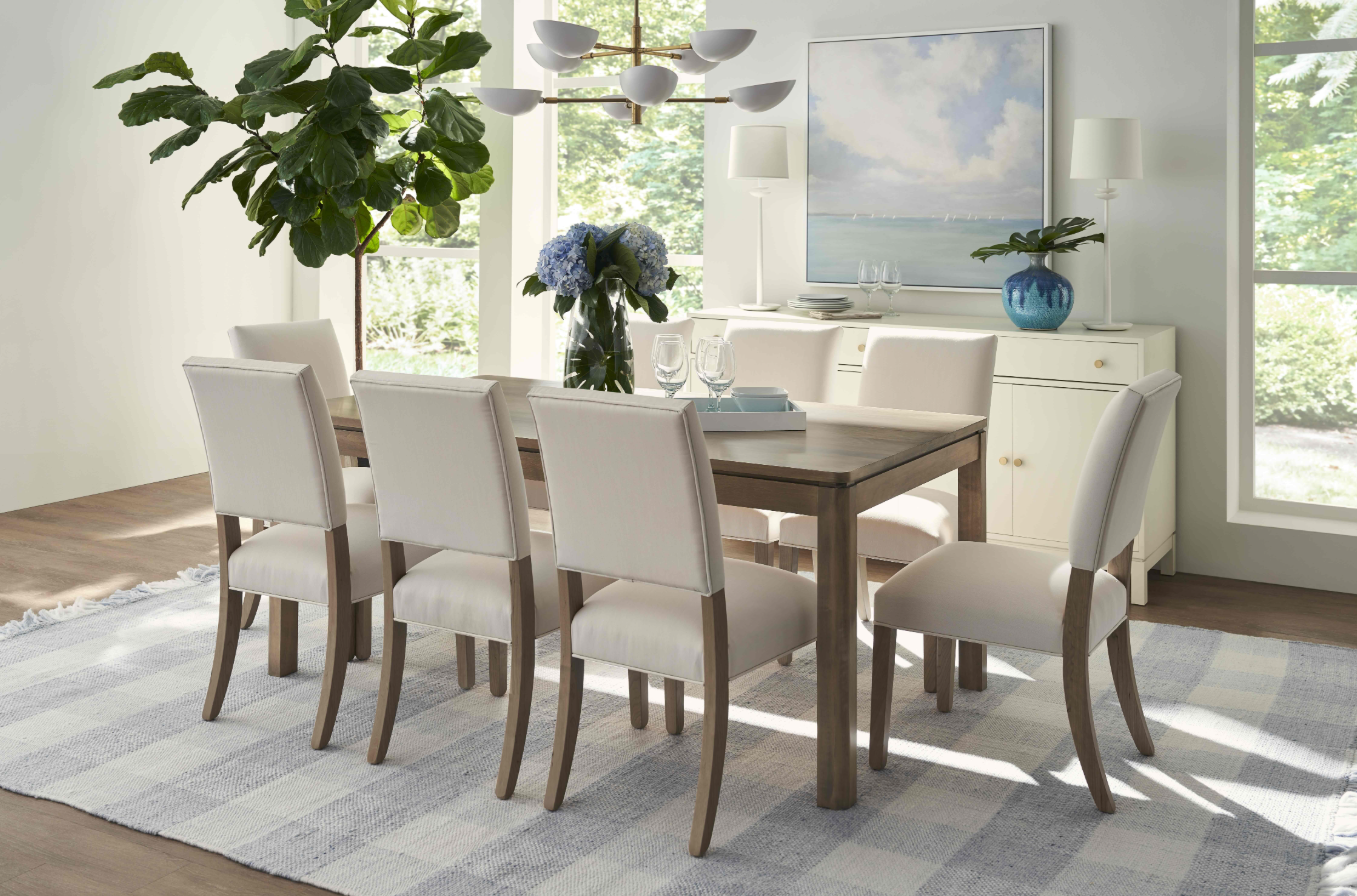
For example, a dining table from Canadel can pair beautifully with a sideboard from Gat Creek when the tones complement each other rather than match exactly. The result feels curated — not copied.
Why Knowing This Changes How You Shop
When shoppers understand how to evaluate solid wood furniture, they stop comparing apples to particleboard. Price becomes part of the conversation — not the only factor.
Solid wood furniture offers:
-Greater longevity
-Better repairability
-Lasting beauty and value
That’s why Gladhill Furniture leads with craftsmanship, material honesty, and American-made stories — helping customers choose furniture they’ll love for years to come.